Old Cambrian Society
The School Badge
A symbol of heritage, duty and enduring school spirit.
Extract from the account of Captain Nicholson, the School’s founding Headmaster:
On January 10, 1931, Kenya sent an official telegram to the Colonial Office proposing that HRH the Prince of Wales be approached regarding the use of his royal title for the newly established school at Kabete. Captain Nicholson — known affectionately as “Nick” — had always felt that “Kabete Boys’ Secondary School” was an awkward name. He followed up this request with a letter recommending Prince Edward’s School. The Director of Education, Herbert Scott, suggested instead that the name be The Prince of Wales School. Nick agreed.
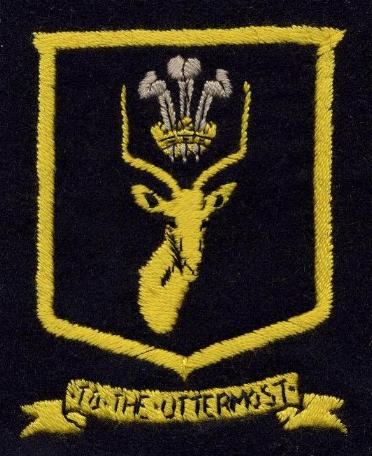
Although some officials in London noted that such a school already existed in the Gold Coast, the Royal Household approved the request. Consent was also granted for a new badge: three ostrich plumes — the traditional emblem of the Prince of Wales — set in a coronet and framed between the horns of an Impala. The badge carried Nick’s driving motto: “To the Uttermost.”
In heraldry, ostrich feathers symbolize willing obedience and serenity. Set in a crown, they have appeared in the coat of arms of every Prince of Wales since 1343, beginning with Edward the Black Prince.
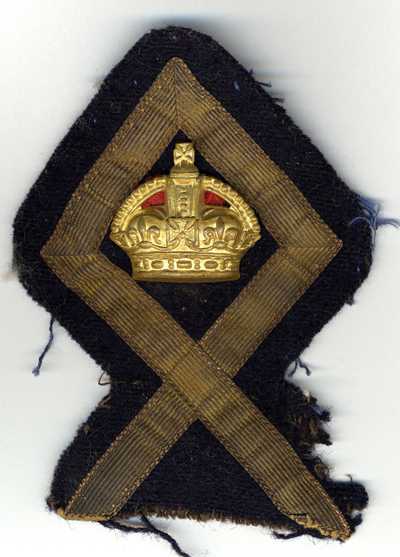
Alongside the new badge came a new blazer. Gone was the grey blazer carried over from the Nairobi European School. In its place appeared a dark navy blazer trimmed withgold braid around the lapels, hem and sleeves.
Prefects wore an enhanced version: the gold braid on the left arm rose upwards in a diamond pattern, inspired by the cadet insignia at HMS Britannia, where Captain Nicholson had trained in 1893. In some cases, a crown with a red backing indicated the wearer held the position of Head of School.
In 2006, Anne Fowler, daughter of Cyril Redhead — a teacher at The Prince of Wales School from 1930 to 1939 — discovered one of his original sketch paintings of the school badge.
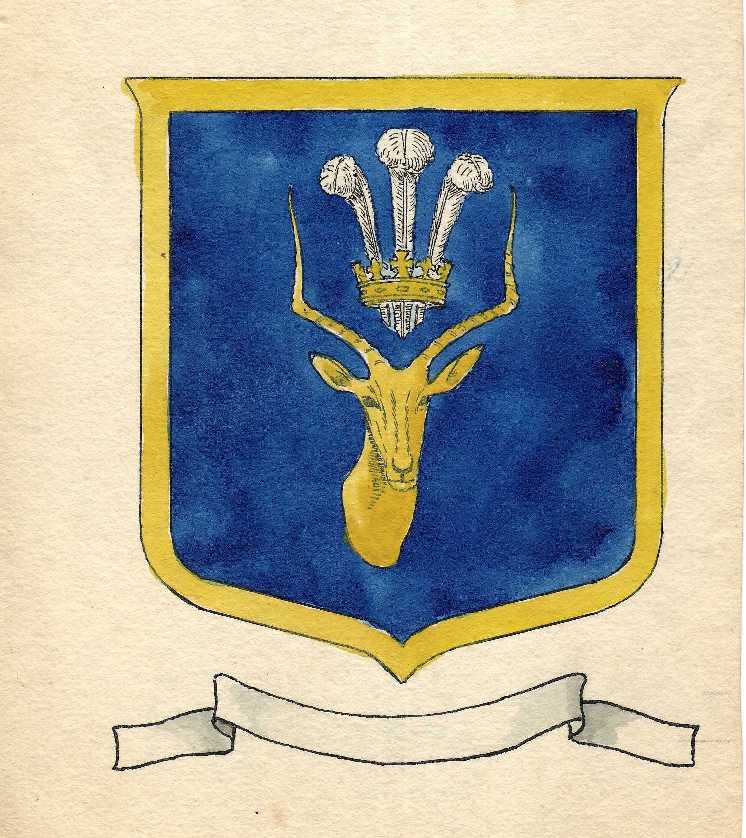
Redhead, an instructor of art, natural sciences and biology, likely collaborated with Captain Nicholson in 1931 when brainstorming designs. His sketch is believed to have been completed before the motto was added later that year, indicating its role in the badge’s early development.